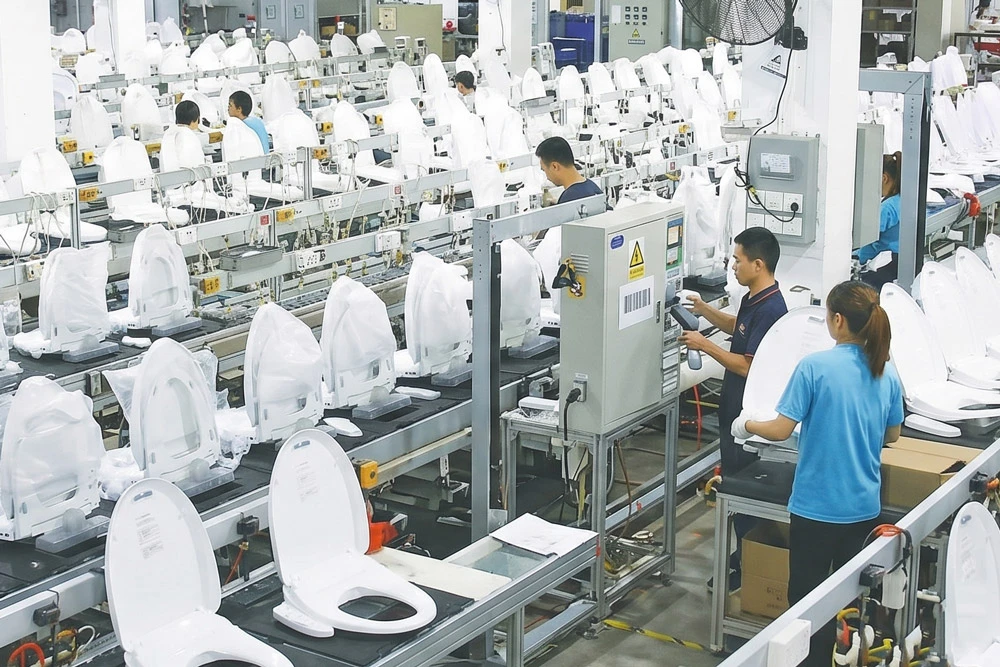
Lanciare il proprio marchio di sedili per bidet era una cosa di nicchia. Oggi, sta diventando una strategia tradizionale per i distributori, venditori di e-commerce, e marchi di bagni alla ricerca di margini più elevati e differenziazione del prodotto.
La domanda globale sta accelerando rapidamente. Si prevede che il mercato dei sedili per WC bidet crescerà $4.29B dentro 2025 a $ 6,75 miliardi di 2032 (CAGR 6.7%), mentre la più ampia categoria del bagno intelligente potrebbe raggiungere $52.1B di 2034. Questo tipo di slancio è il motivo per cui sempre più aziende stanno esplorando sedili WC bidet con etichetta privata come mossa strategica di crescita.
Questa guida spiega come funziona effettivamente l'etichettatura privata: dalla selezione dei fornitori alle certificazioni, logistica, e strategia di marca a lungo termine.
Perché i sedili WC per bidet con etichetta privata sono in forte espansione
Tre macrotendenze stanno guidando la domanda in tutto il mondo:
1) Le abitudini igieniche stanno cambiando a livello globale
Numerosi studi di mercato mostrano costantemente che l’Asia-Pacifico rappresenta circa un terzo o oltre 40% della domanda globale, con il Giappone che supera 75% penetrazione domestica. I mercati occidentali stanno recuperando rapidamente terreno. Il Nord America è una delle regioni in più rapida crescita, con un CAGR stimato di circa 7.6%, guidato dall’invecchiamento della popolazione e dalla crescente consapevolezza dell’igiene.
2) La popolarità dei prodotti retrofit sta esplodendo
A differenza dei servizi igienici intelligenti, Sedili WC bidet da installare senza rimodellamento. Questo li rende perfetti per:
- Amazzonia / marchi dell’e-commerce
- Distributori idraulici
- Sviluppatori immobiliari & alberghi
Questo vantaggio di retrofit è uno dei motivi per cui i sedili per bidet elettronici ora reggono 61.4% della quota di mercato.
3) I margini sono significativamente più alti rispetto alla rivendita dei marchi
L'etichettatura privata rimuove i premi del marchio e lo consente:
- Migliore controllo dei prezzi
- Proprietà del marchio
- Creazione di asset a lungo termine
Per molti distributori, questo cambiamento è inevitabile.
Perché la maggior parte della produzione di marchi del distributore avviene in Cina
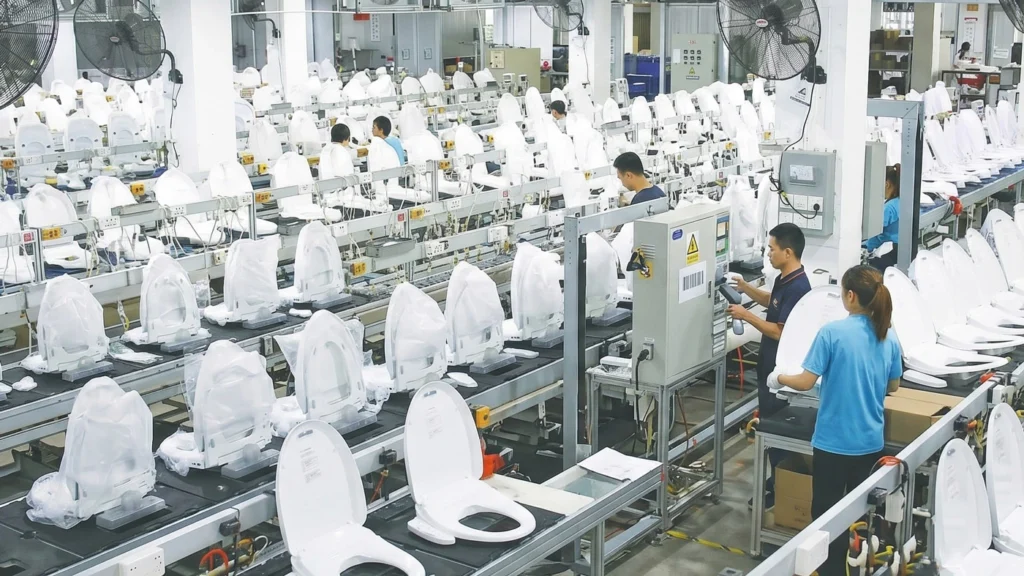
Le stime del settore suggeriscono che la Cina produce più di 70% dei sedili WC intelligenti del mondo. Ma non tutte le fabbriche sono uguali: i cluster produttivi sono specializzati in capacità diverse.
Xiamen — Produzione di esportazione di fascia alta
Meglio per: America del Nord & Marchi premium europei
Punti di forza:
- Esperienza nella produzione per marchi globali di bagni
- Matura esperienza di certificazione (ETL, CE, cUPC)
- Forte design industriale e controllo di qualità
Taizhou: elettronica e innovazione rapida
Meglio per: Progetti competitivi di sedili per bidet elettronici
Punti di forza:
- Luogo di nascita del primo bidet elettronico cinese (1995)
- 300+ relativi fornitori
- 30–60% della fornitura globale di componenti
Foshan & Chaozhou: integrazione verticale
Meglio per: Toilette intelligente + progetti di pacchetti di posti a sedere
Punti di forza:
- Elettronica di livello elettrodomestico
- Ecosistema produttivo ceramico
- Costo totale della catena di fornitura inferiore
👉 Per uno sguardo più approfondito alla selezione dei fornitori, Vedere: Come scegliere un produttore di sedili per WC intelligenti
Definizione del prodotto a marchio privato: Scelte ingegneristiche chiave
La scelta delle specifiche giuste determina la fascia di prezzo, mercato di riferimento, e certificazioni.
Riscaldamento istantaneo vs riscaldamento del serbatoio
Riscaldamento istantaneo (senza serbatoio) è ora lo standard premium:
- Acqua calda illimitata
- Migliore igiene (nessuna acqua immagazzinata)
- Minore consumo energetico in standby
Potenza tipica: fino a 1400 W.
I sistemi di serbatoi sono più economici ma in declino nei mercati di fascia alta.
Materiali che contano
Materiali dei sedili
- PP: flessibile e durevole
- UF/Duroplasto: finitura premium antigraffio
- I sedili antibatterici Ag+ stanno diventando standard
Ugelli
- L’acciaio inossidabile è ora preferito nei mercati premium
- Le testine staccabili semplificano la manutenzione nelle regioni con acque dure
La prossima ondata di differenziazione: Accorto & Caratteristiche sanitarie
I sedili per bidet si stanno evolvendo da apparecchi di comfort a dispositivi sanitari domestici intelligenti.
Le funzionalità emergenti del marchio del distributore includono:
- Preimpostazioni di memoria multiutente (fino a 4 profili)
- Modalità di risparmio energetico dell'intelligenza artificiale (<5W in attesa)
- Membro dell'auto & lavaggio del sensore del piede
- Integrazione di app o controllo vocale
La frontiera: monitoraggio sanitario
Nuovi modelli di fascia alta ora offrono:
- Analisi delle urine (glucosio, proteina, pH, sangue)
- Frequenza cardiaca & monitoraggio della respirazione
- Lavaggio a vortice per alleviare la stitichezza
Queste funzionalità aprono opportunità in:
- Mercati dell’assistenza agli anziani
- Prodotti per il benessere medico
- Ecosistemi domestici intelligenti premium
Come funziona realmente lo sviluppo del marchio del distributore
Sequenza temporale di sviluppo tipica con un produttore:
| Palcoscenico | Tempo |
|---|---|
| Concetto di prodotto & definizione delle specifiche | 3–5 giorni |
| Prototipo funzionale | 7–10 giorni |
| Sviluppo stampi ad iniezione | 25–35 giorni |
| Produzione di massa | 30–45 giorni |
Uno stampo di qualità può supportare 300,000+ cicli produttivi, rendendo la proprietà dello stampo fondamentale per la protezione del marchio.
Marchio & Opzioni di personalizzazione
Il marchio del distributore va ben oltre la stampa del logo.
La personalizzazione tipica include:
- Marchio inciso al laser (durevole & premio)
- Telecomando multilingue & interfaccia utente dell'app
- Packaging personalizzato per test di caduta nell'e-commerce
- Firmware e standard di connessione specifici del mercato
Certificazioni: Il guardiano dei mercati globali
I sedili per bidet combinano l'acqua + elettricità: le certificazioni non sono negoziabili.
America del Nord
- cUPC (sicurezza idraulica & prevenzione del riflusso)
- UL / ETL 1431 (sicurezza elettrica)
- FCC (modelli senza fili)
Europa
- CE (LVD + EMC)
- Protezione antiriflusso EN1717
- RoHS & Conformità chimica REACH
Australia
- Certificazione WaterMark
- Conformità elettrica RCM
Senza questi, i prodotti non possono essere installati legalmente in molte regioni.
Fonti esterne:
- coerentimarketinsights.com
- dataintelo.com
Controllo qualità: Cosa devono verificare gli importatori
Punti di controllo chiave dell'audit di fabbrica:
- ISO 9001 sistema di qualità
- Test di impermeabilità IPX4 interno
- 100% test di sicurezza elettrica
- Collaudo del circuito idraulico su ogni unità
Test prestazionali essenziali:
- 150kg prova di carico statico
- 30,000 cicli di impatto del sedile
- 10-minuto test di spruzzo impermeabile IPX4
Saltare questo passaggio è l'errore più comune relativo al marchio del distributore.
Logistica, Pezzi di ricambio & Strategia post-vendita
I marchi intelligenti pensano oltre la spedizione.
Strategia consigliata:
- Pezzi di ricambio: 1–2% della quantità dell'ordine
- Stock sostitutivo locale: 5%
- Design modulare per una facile sostituzione delle parti
Video di installazione chiari e guide per la risoluzione dei problemi possono ridurre le richieste di assistenza 50%+.
Perché il marchio del distributore è una strategia di marca a lungo termine
L’etichettatura privata non è solo una questione di prezzo, ma anche di proprietà.
I marchi che si muovono presto guadagnano:
- Differenziazione del mercato
- Margini più alti
- Controllo della roadmap del prodotto
- Valore del marchio a lungo termine
E mentre i bagni intelligenti si evolvono in tecnologia sanitaria, l'opportunità non farà altro che espandersi.
Pronto per lanciare il tuo sedile per bidet con etichetta privata?
Se stai valutando i fornitori o pianificando la tua prima linea di prodotti, il passo successivo è semplice:
👉 Parla con un produttore di sedili per WC intelligenti: Contatta MywaySmart.
Domande frequenti
-
Quanto MOQ è tipico per i sedili bidet con marchio del distributore?
Di solito 200–500 unità per modello, a seconda del livello di personalizzazione e dei requisiti di certificazione.
-
Quanto tempo richiede lo sviluppo del marchio del distributore?
Dall'ideazione alla produzione in genere ci vuole 60–90 giorni.
-
Quali certificazioni sono richieste per Amazon USA?
Al minimo: cUPC + ETL/UL, e FCC se sono incluse le funzionalità wireless.
-
I modelli a riscaldamento istantaneo valgono il costo più elevato?
SÌ. La maggior parte dei mercati premium ora si aspetta un riscaldamento senza serbatoio per i vantaggi in termini di igiene ed efficienza energetica.
-
Quanto è importante la proprietà dello stampo?
Critico. Possedere lo stampo garantisce l'esclusività del prodotto e la protezione del marchio a lungo termine.
Fonti
- Approfondimenti di mercato coerenti – Previsioni di mercato dei sedili per bidet 2025-2032
- Datitelo – Rapporto sulle ricerche di mercato dei sedili WC per bidet 2034
- Market.us – Rapporto sul mercato globale dei bidet